Brand identity, product direction, color, and visual storytelling brought together through a hands-on process shaped by instinct, research, and execution.


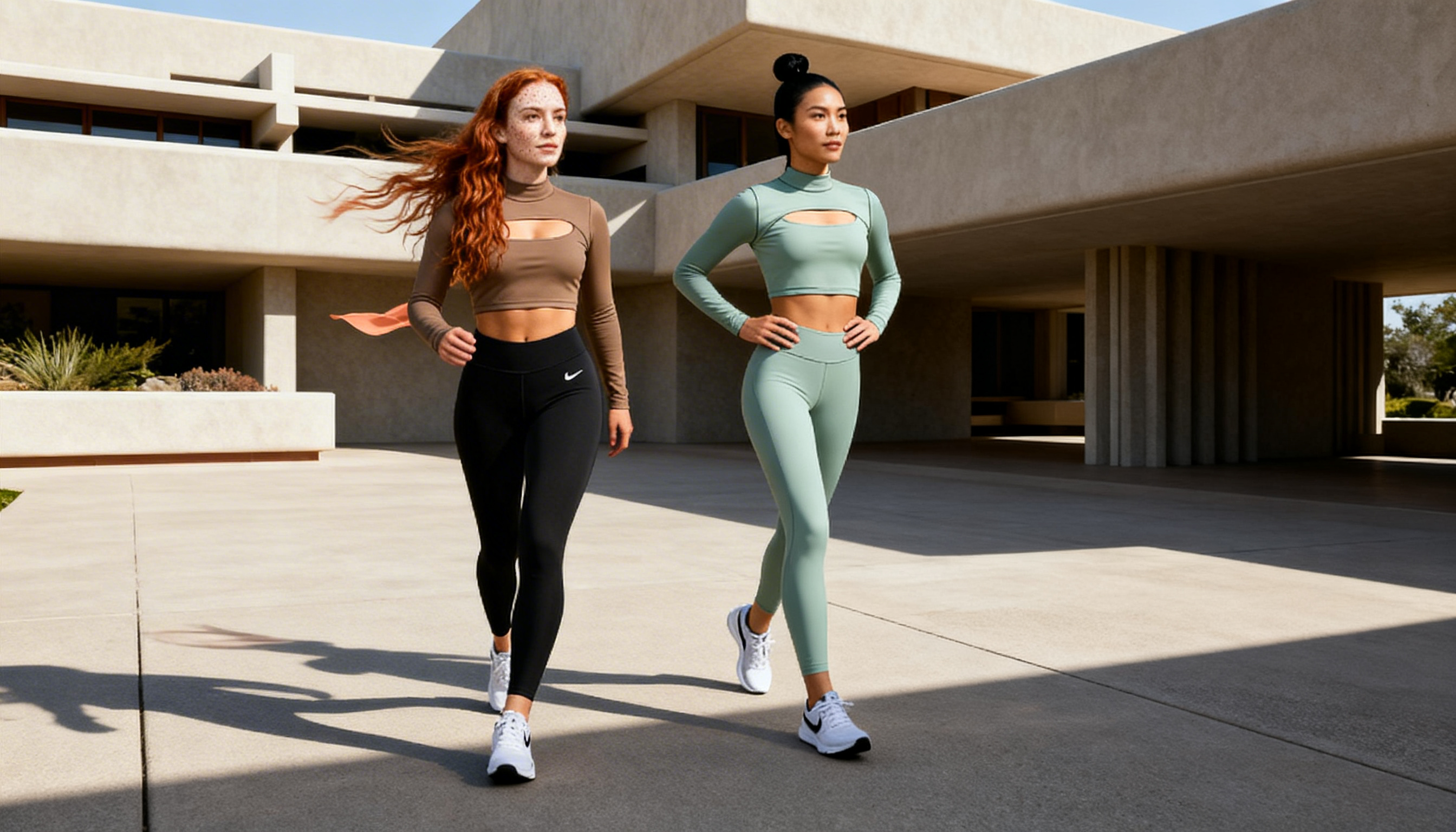
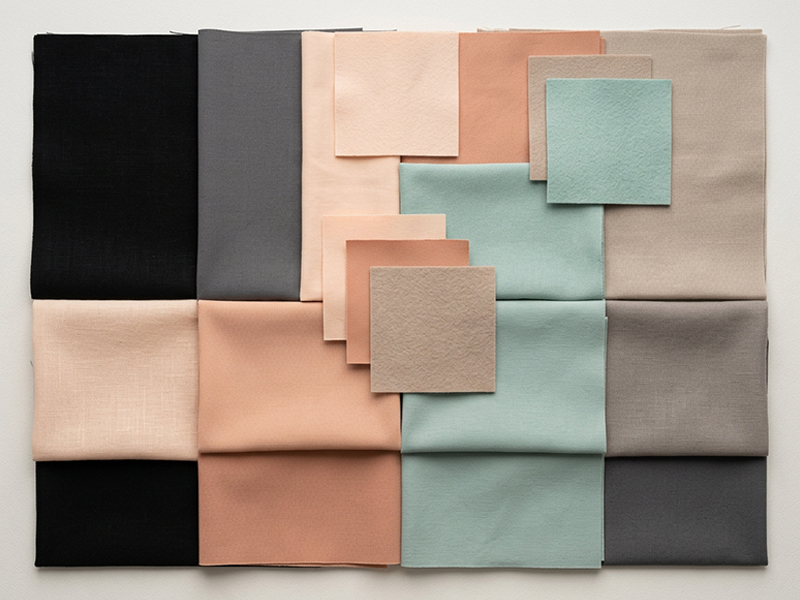
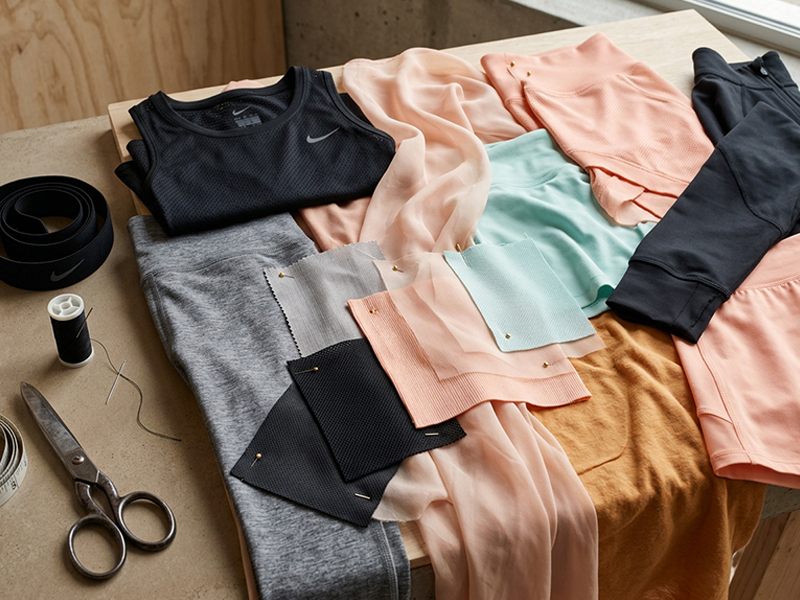
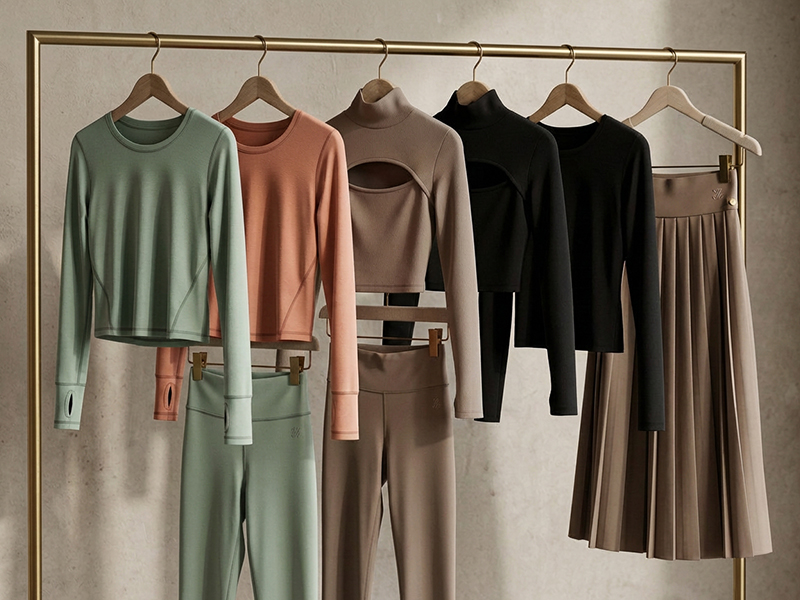
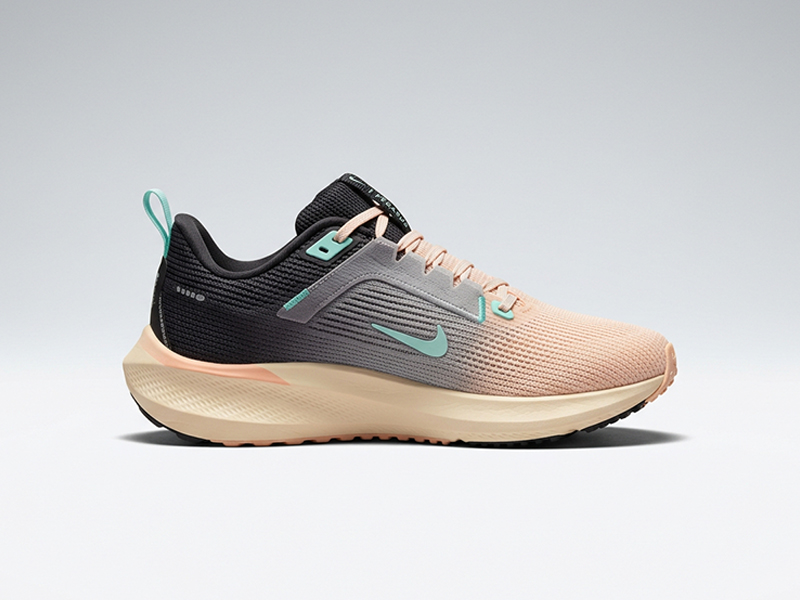
A self-initiated fall concept for Nike Women's, built to show how color, culture, and product work as one system. The process mirrors real in-house development: cultural research, moodboarding, palette building, graphic direction, and product application.
The goal was to show the full arc of thinking, not just polished mockups, but the decisions behind them. Why this palette. Why this material direction. Why these graphics on these silhouettes. The same decision-making that turns inspiration into product people buy and wear.
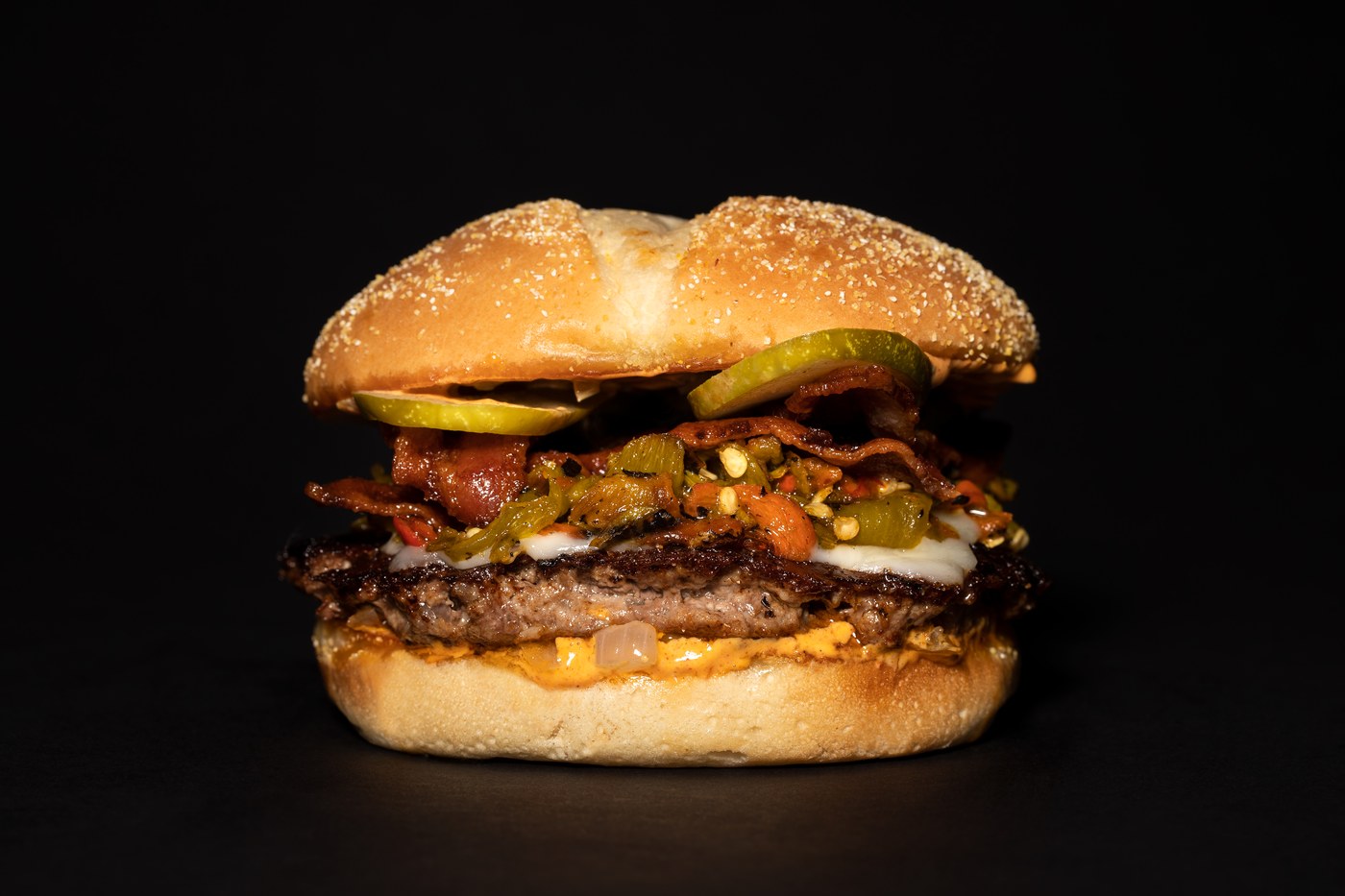
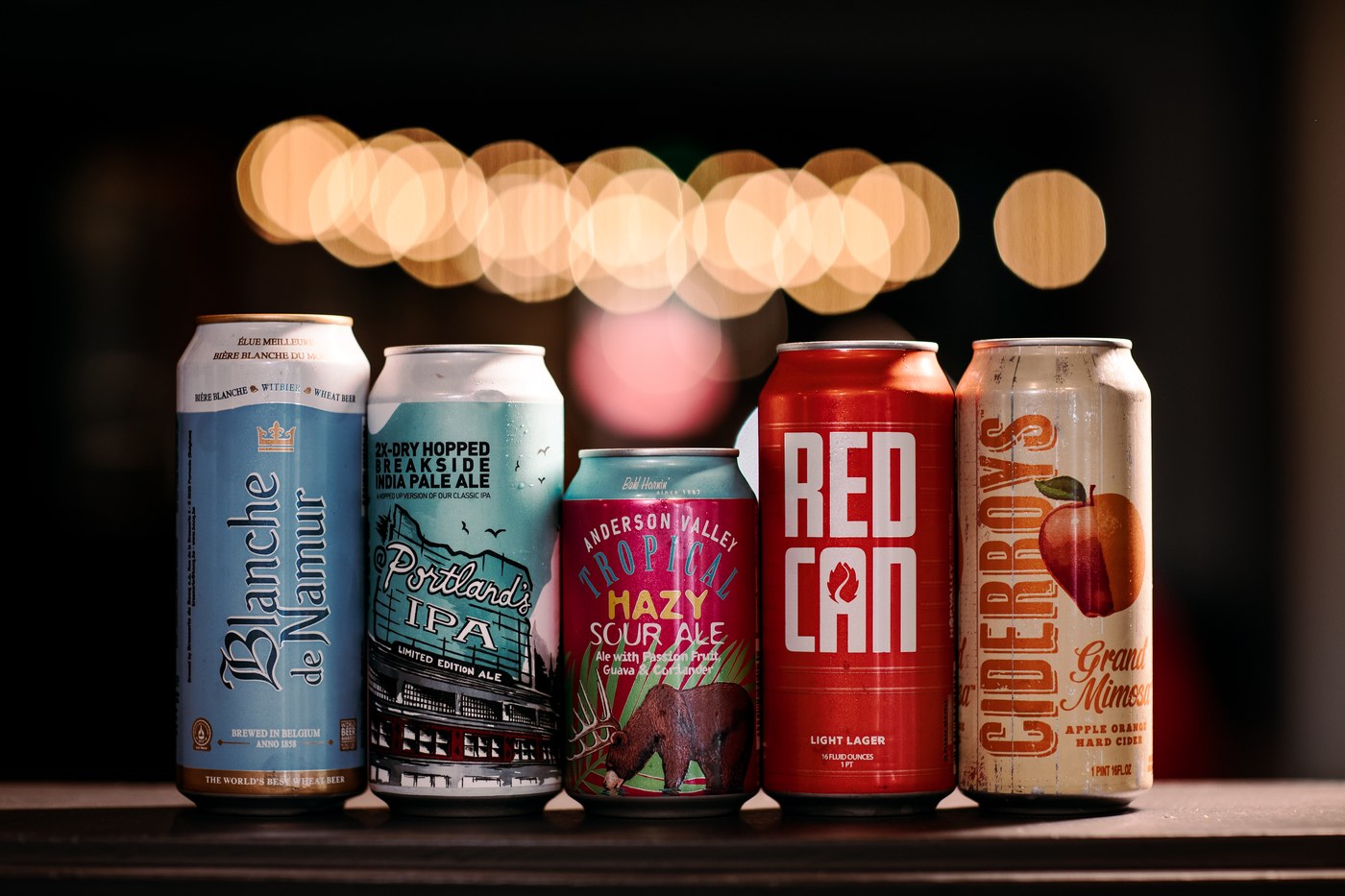
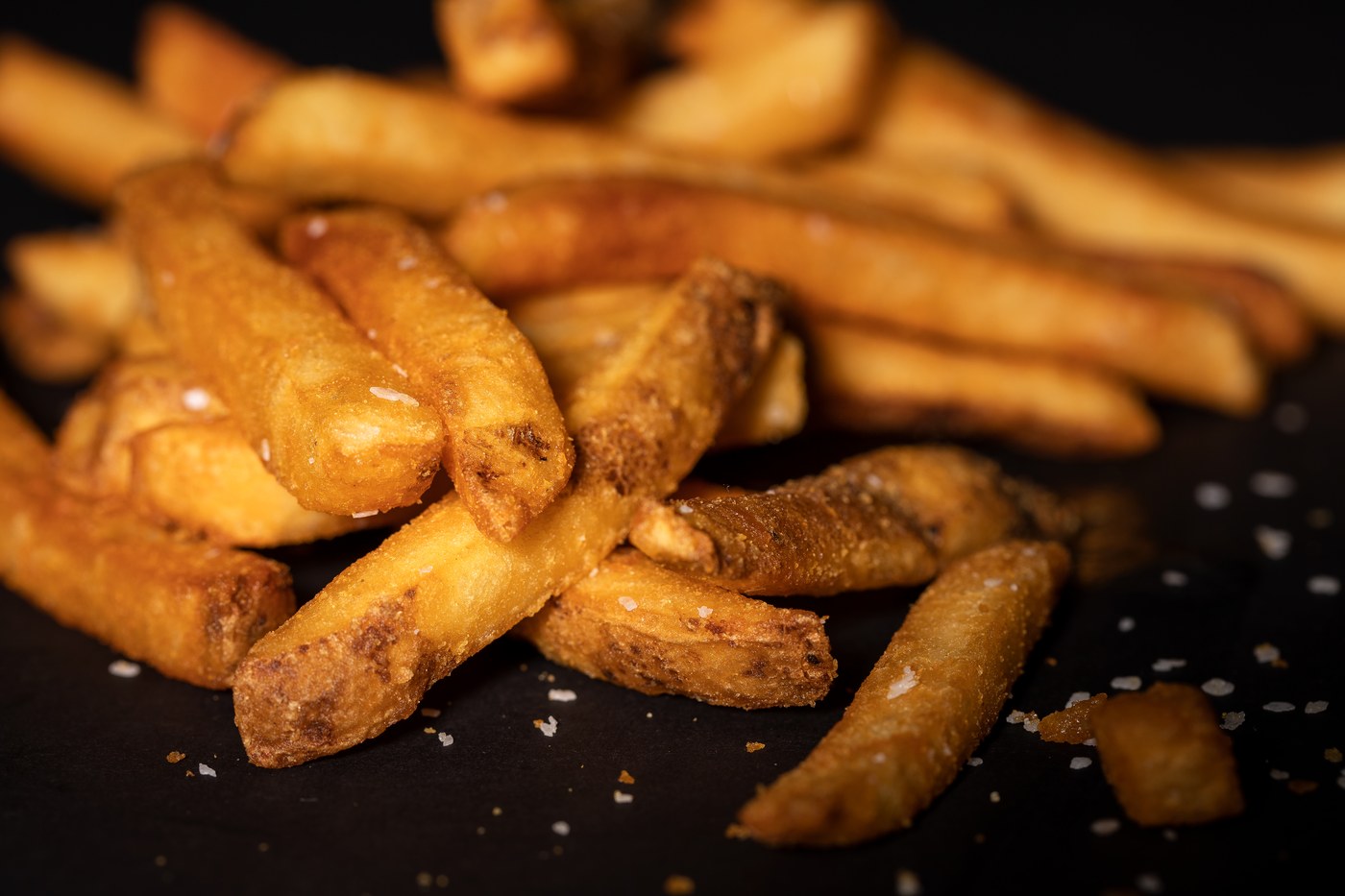
Directed the visual identity refresh and product photography for Killer Burger — Portland's cult-favorite burger chain. The brief: make the food look as aggressive and unapologetic as the brand sounds.
Art Direction. Built the shoot around a clear visual system: black background, dramatic light, and zero distractions. Every burger shot was isolated to let the layering, texture, and color do the talking. Fries, drinks, and lifestyle shots followed the same dark, warm, confident approach.
Brand. Worked on the identity system anchored by the "Commit to the Burger" tagline and bomb mark. The brand voice matches the product — bold, slightly unhinged, completely committed. Applied across menu, signage, cups, and digital.
Outcome. A visual system that gave a Portland burger joint the kind of photography usually reserved for fine dining — without losing any of the grit that makes it Killer Burger.


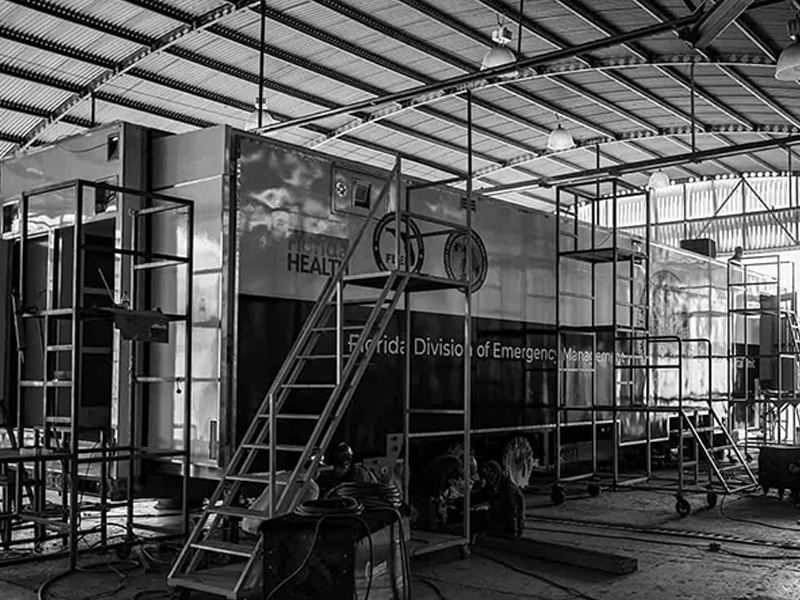
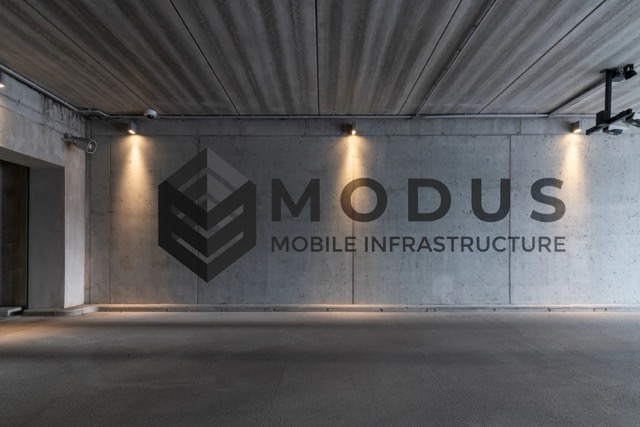
CT Defense was an emergency-services company with a military-centric identity that didn't match where they were headed. I led the full strategic rebrand: new name, new mark, new identity system, new everything.
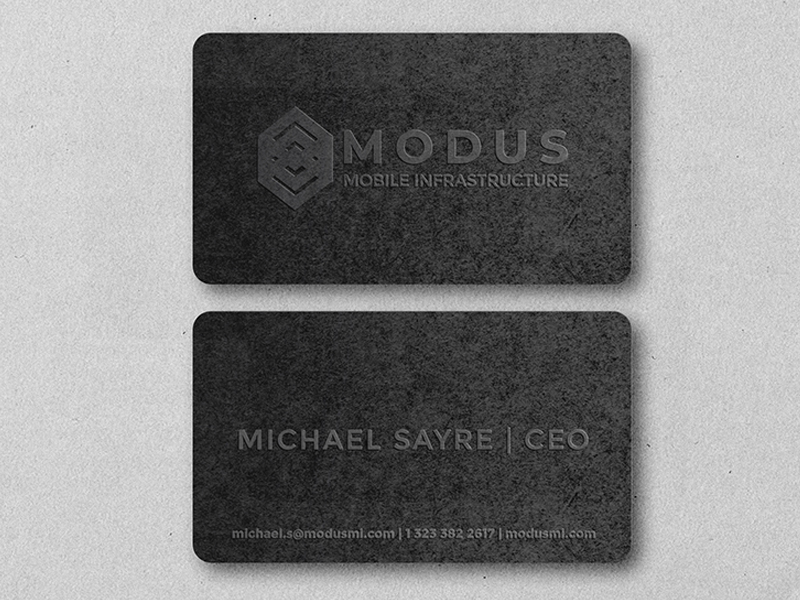
I developed Modus — the name, logo, and a modular cube mark designed for scalability and cohesion. Then I built out the complete collateral system: investor sales deck, RFP templates, brochures, vehicle wraps, signage, and presentation materials. The brand identity I created anchored their pitch to investors and their pilot programs with municipal health departments.


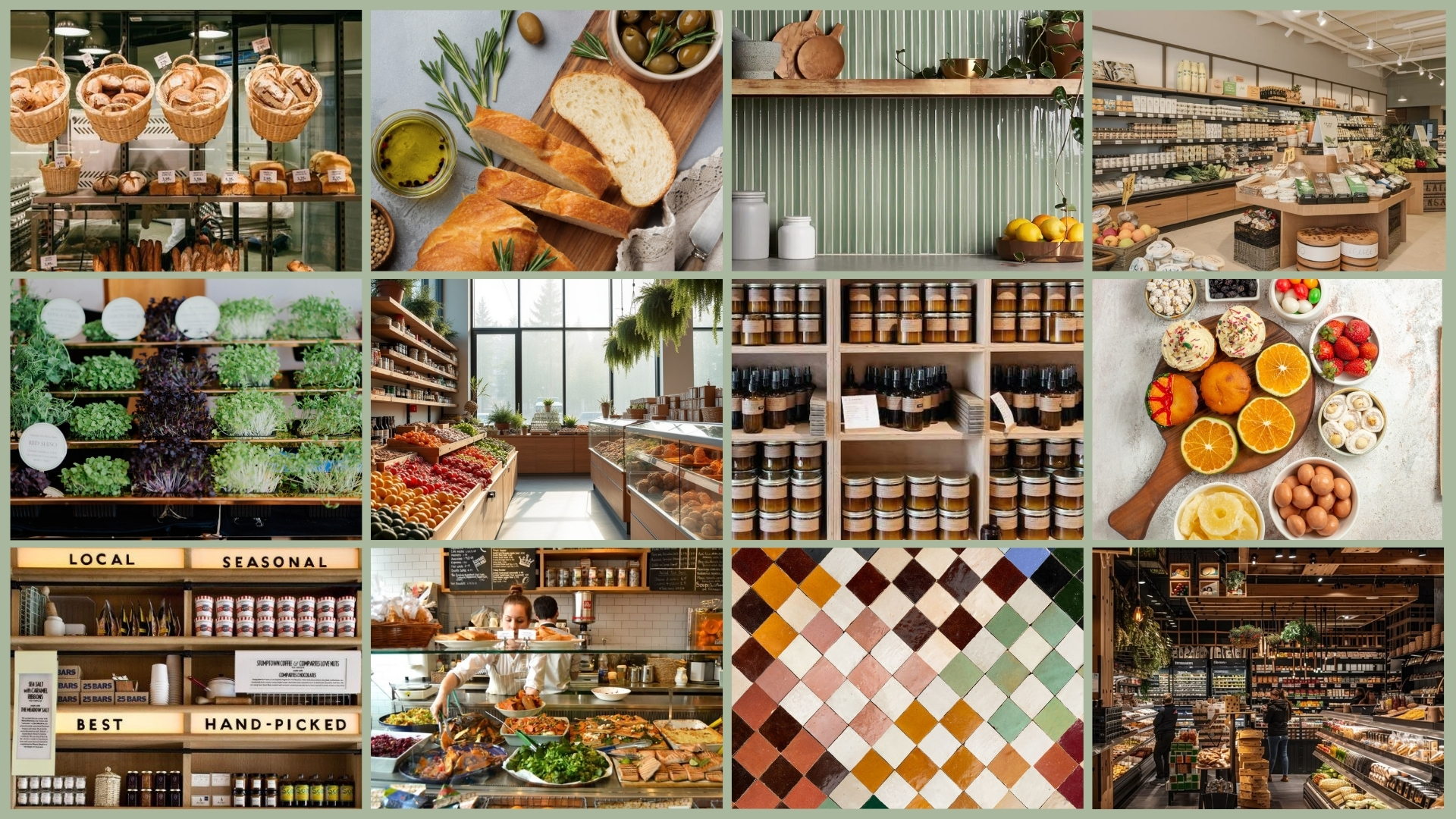
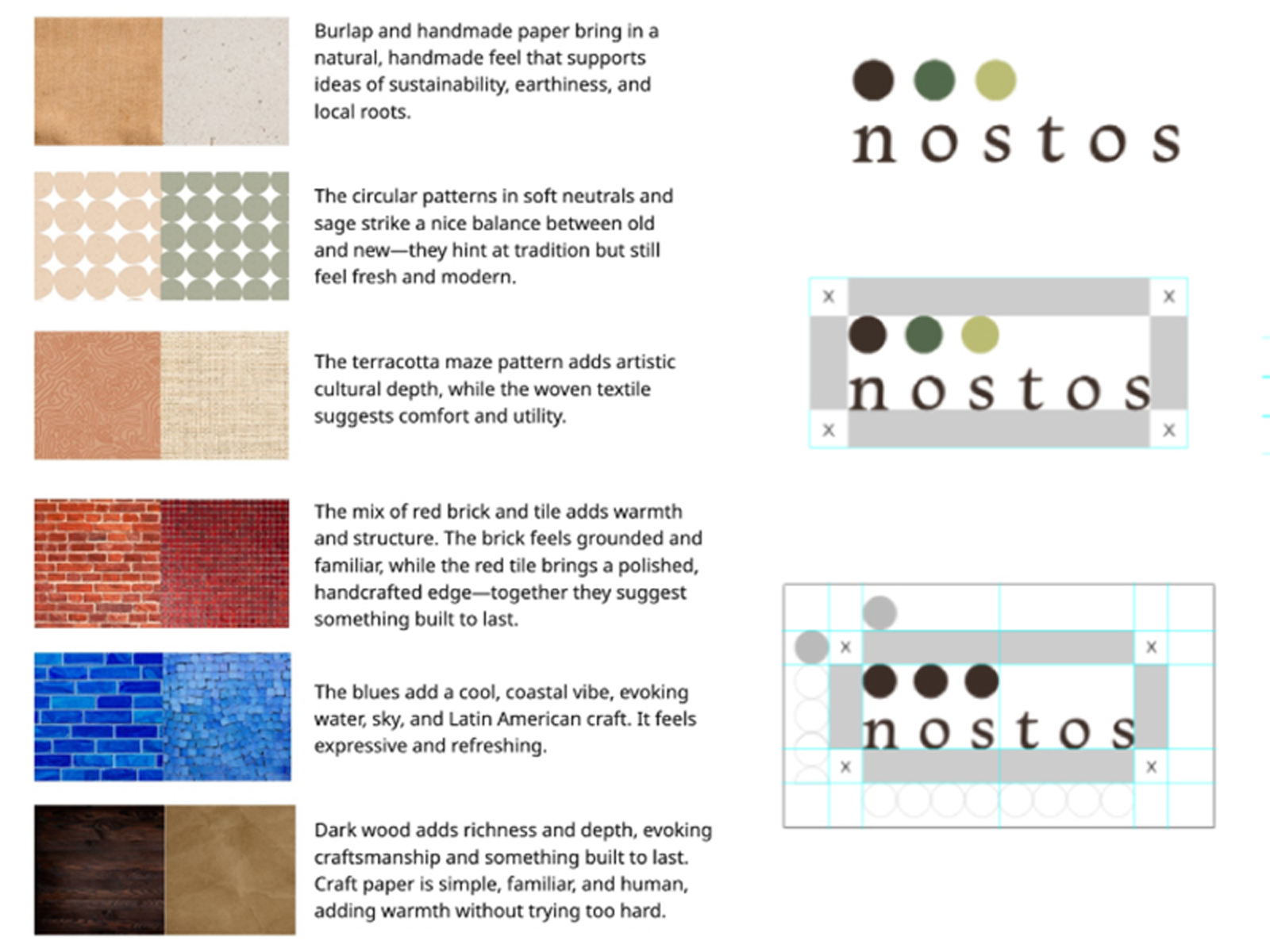
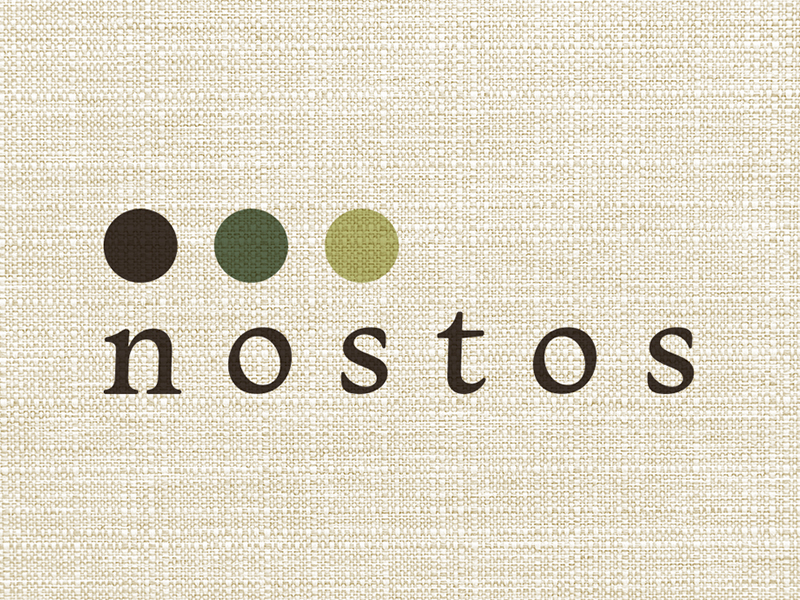
Nostos is a high-end international grocery chain launching in Panama with expansion into Europe and the U.S. I directed the full brand identity — everything from the logo to the building materials.
The system I built includes: logo, color palette, typography, packaging, signage, staff uniforms, and in-store materials — all anchored in cultural storytelling and modular systems designed to flex across digital and physical retail environments, regions, and formats. This wasn't a logo project. It was a complete ecosystem built to scale.


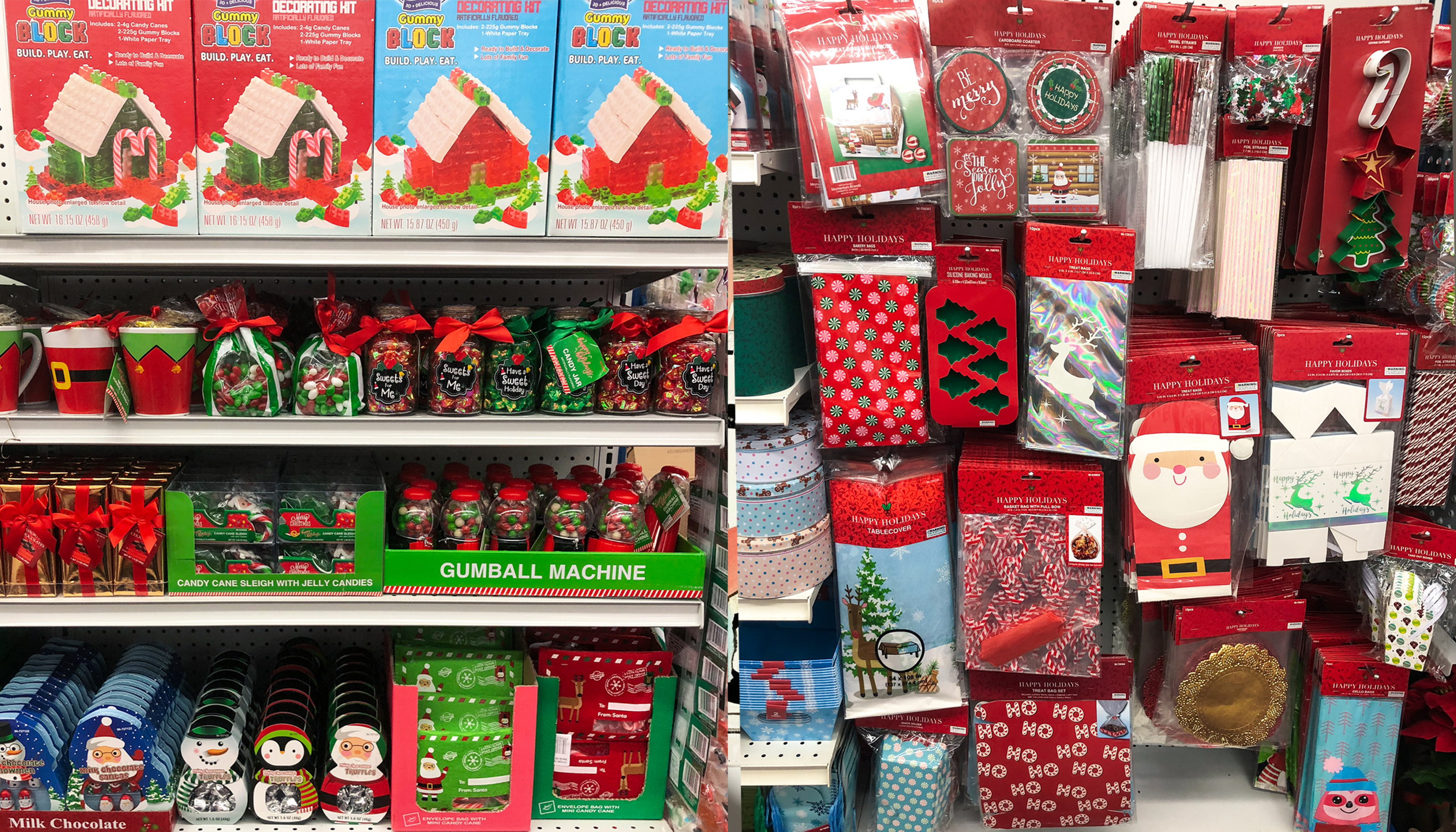
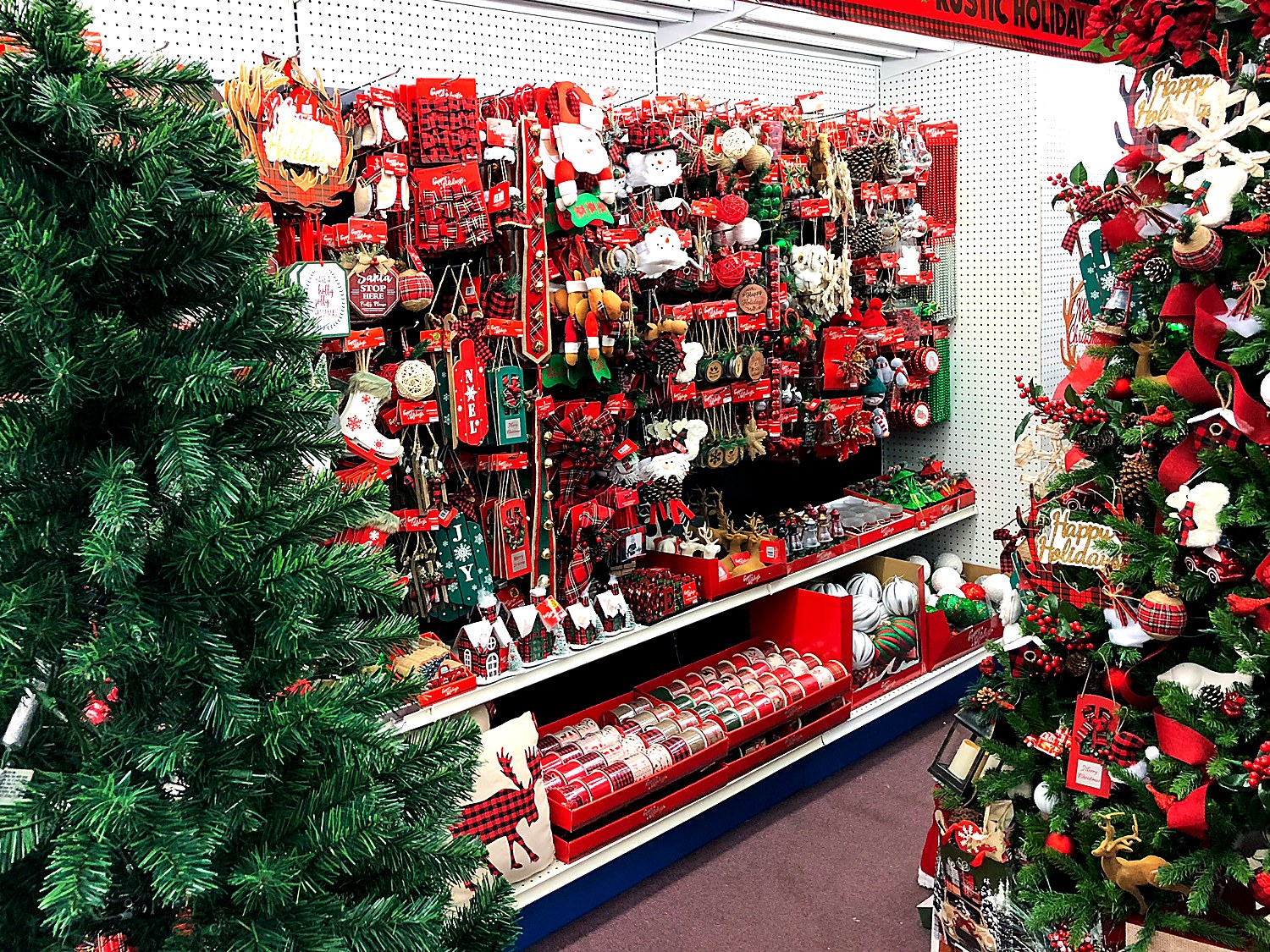
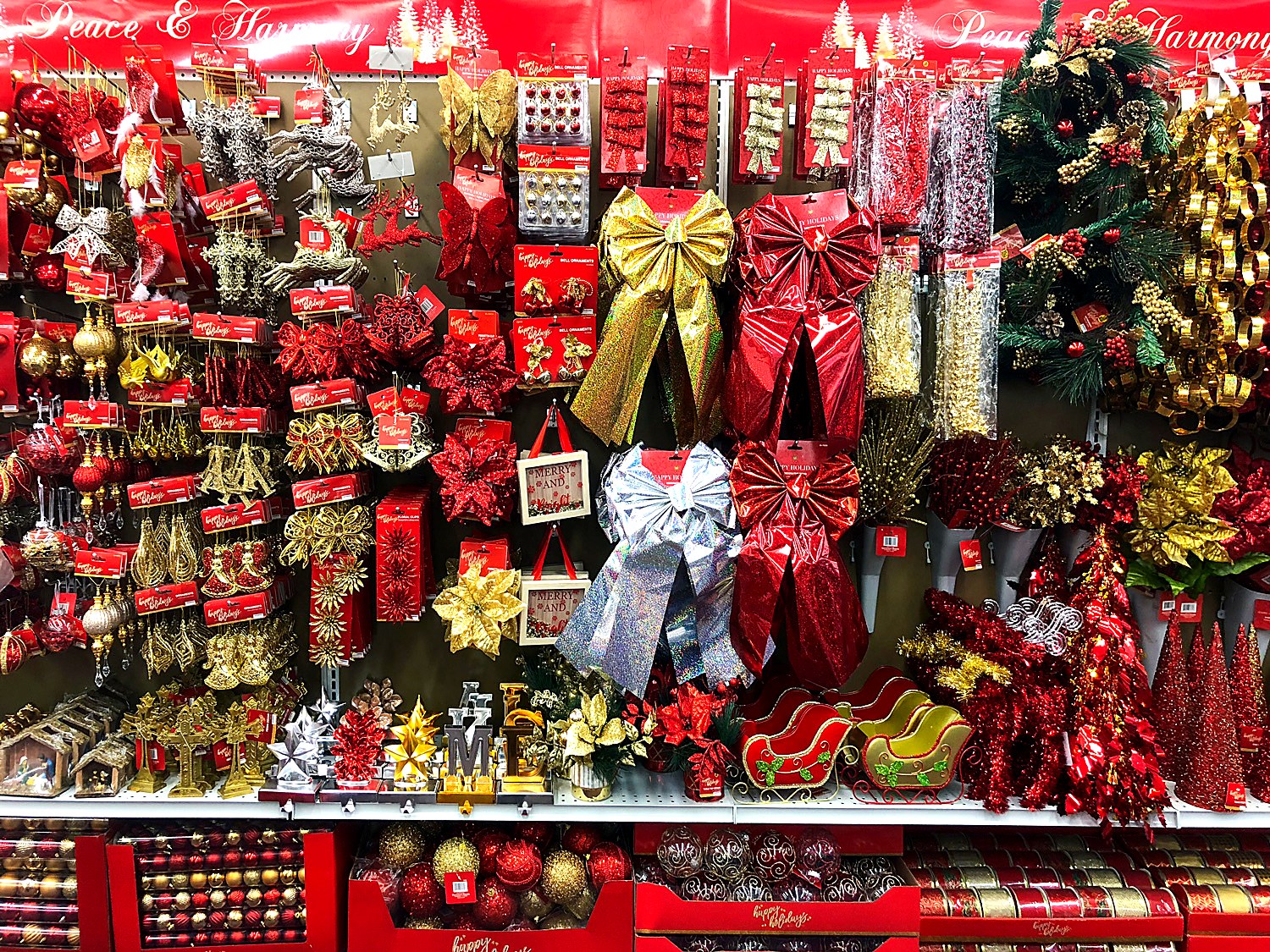
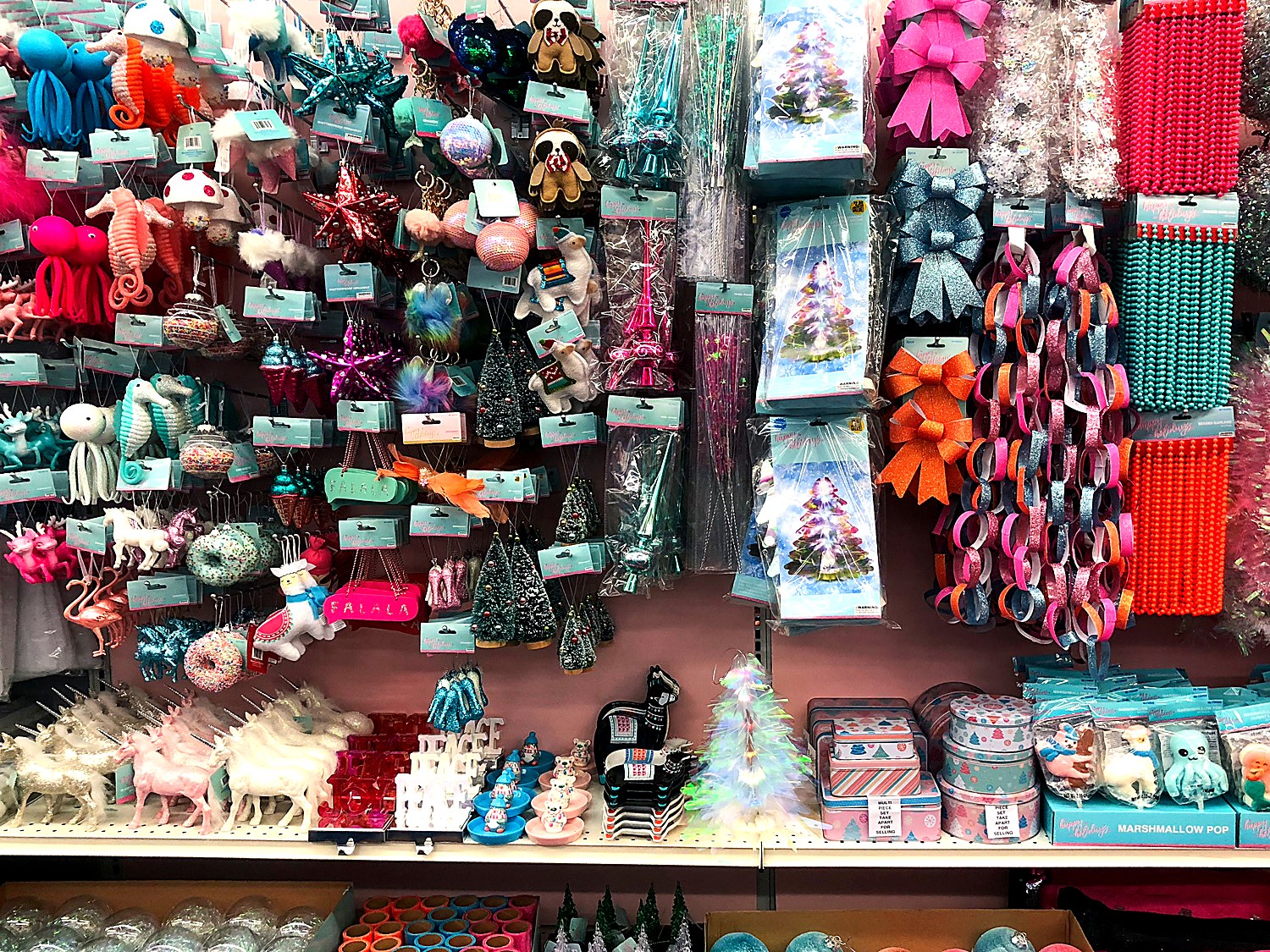
At 99 Cents Only Stores, I developed seasonal products, packaging, and graphics across a wide range of retail categories, including toys, beauty, apparel, accessories, and home. I began with trend research to help shape each line, then worked directly with buyers and vendors to develop products, deliver production artwork, negotiate item costs, review and approve samples, and moved concepts through to shelf. This gave me a strong understanding of how trend, product design, packaging, sourcing, pricing, and manufacturing come together in high-volume retail.
I built trend-driven seasonal graphic systems informed by color forecasting, cultural insight, and retail execution. I managed international vendor communication, coordinating timelines, specs, and production files. This work reduced turnaround time by 25% without compromising quality. I also partnered with merchandising and sourcing through PLM and SAP to align design intent with pricing and manufacturing constraints.
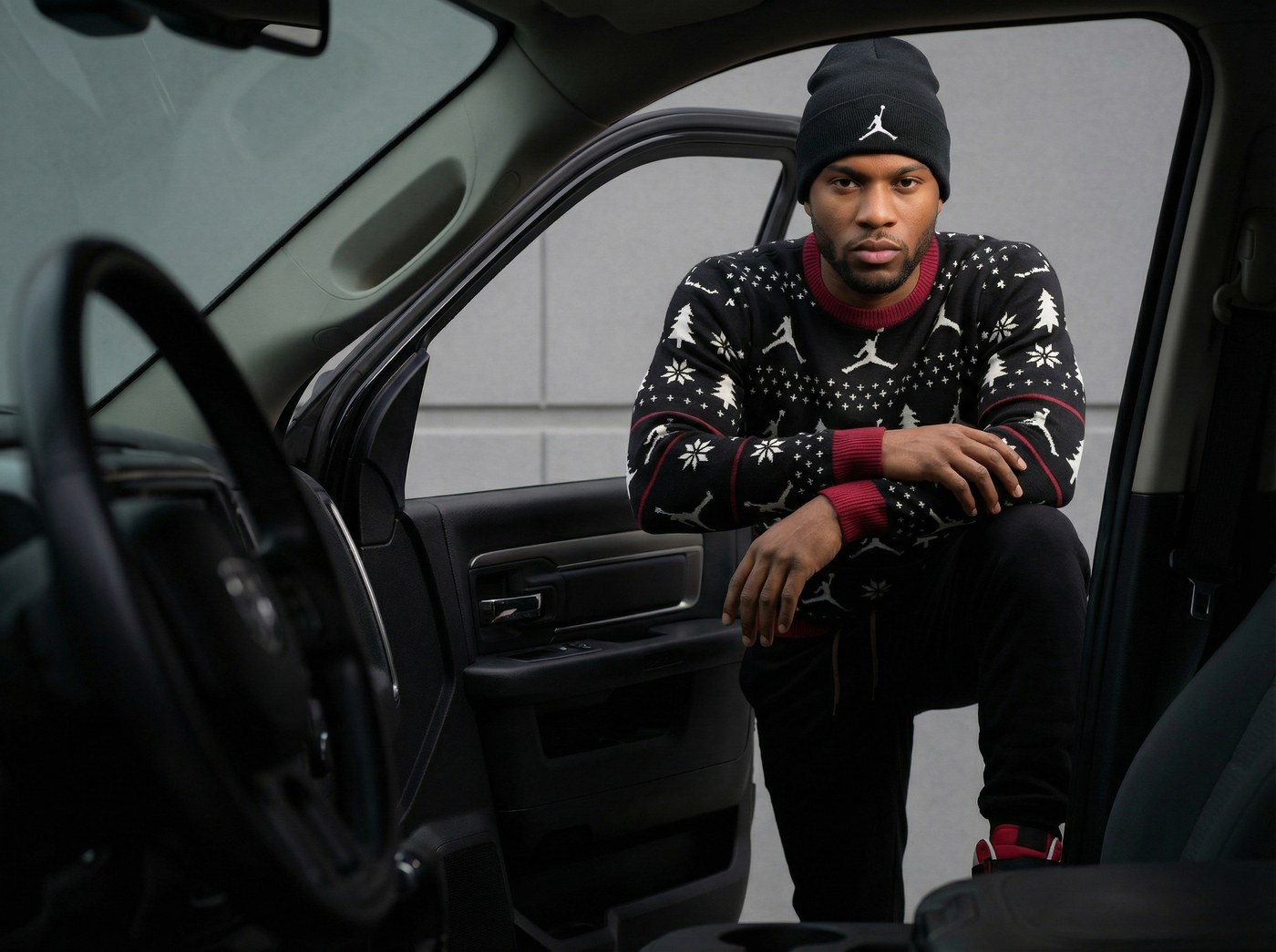
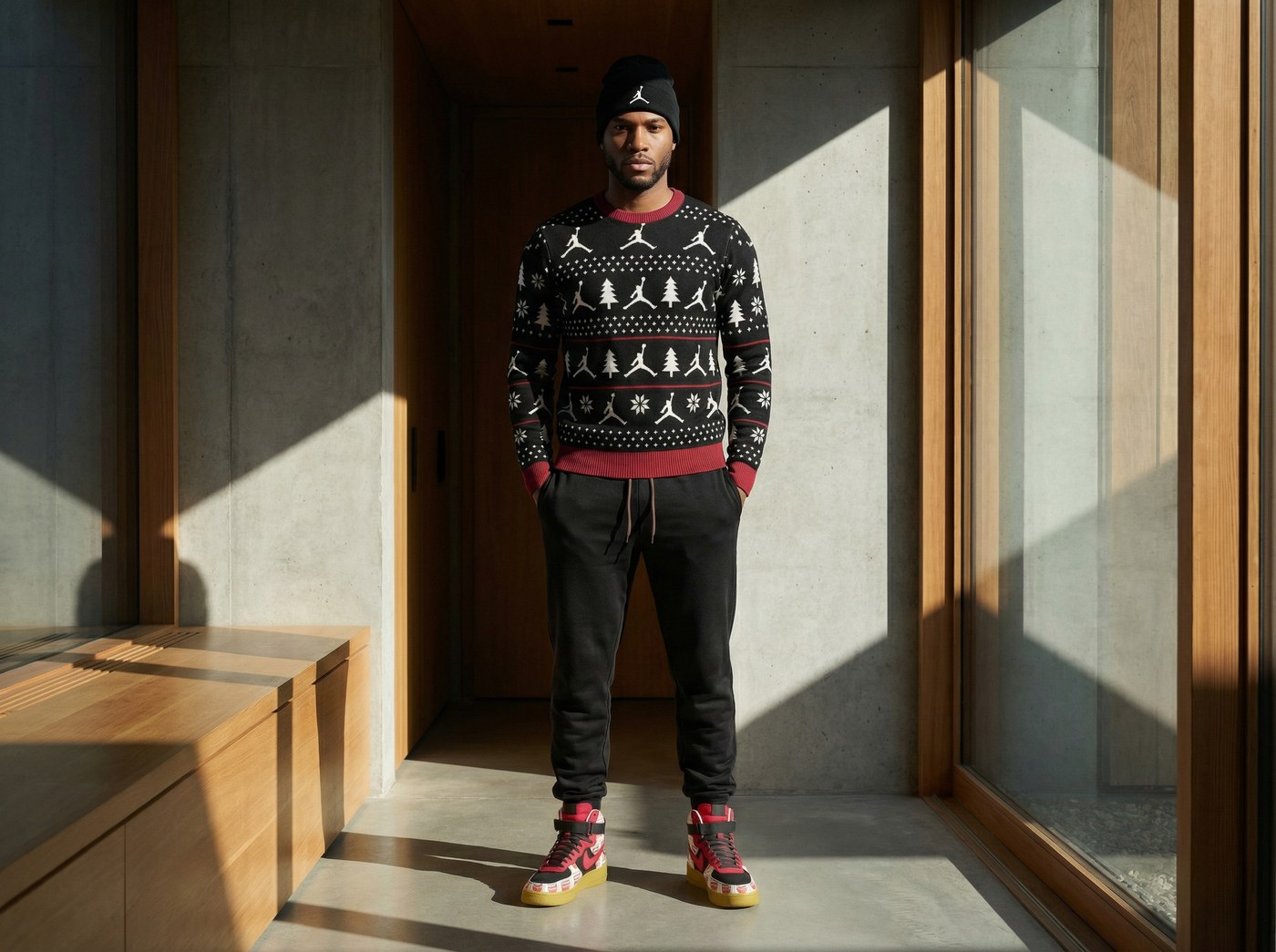
A self-initiated apparel product design case study for a Jordan Holiday jacquard knit sweater, built to show the full handoff from concept to production-ready tech pack. The work includes flat drawings, colorways, material specs, construction rules, trim callouts, graded measurements, knit quality checks, packaging, BOM, and approval gates.
Technical approach. I translated a streetwear/lifestyle concept into a detailed development package: 12-gauge fully fashioned jacquard, three-yarn color story, Gym Red rib trim, knit-in motifs, matched pattern bands, tolerance notes, and size grading from S through 3XL. The click-through page is structured like a working tech pack so a hiring team can see how I think through revisions, vendor handoff, and production decisions.
Tools and fit. The project is built around Illustrator-style apparel flats, spec clarity, and change-ready product documentation, with visual concepting that could extend into Vizcom or 3D workflow for faster material and color exploration.
View Full Tech PackA self-initiated Air Force 1 material concept built around the shoe's outdoor-court origin and street-life afterlife. The study translates asphalt, heat, wear, and sun-bleached court lines into a material and finish direction.
The read: the AF1 consumer treats the shoe as a canvas for personal history. Blacktop keeps that cultural weight intact while exploring tumbled leather, nubuck, Flyleather hits, Nike Grind rubber, and low-satin finishes that can age without looking careless.
A side-by-side material strategy study comparing two Nike playbooks: preserve what carries cultural value, or replace what limits performance. The piece reads Air Force 1 leather against NikeCourt performance materials to show how sustainability decisions can stay grounded in product truth.
The read: some icons need their sensory codes protected. Some performance products need the material logic rebuilt. The skill is knowing which problem you are solving before choosing the material answer.